
How Long Does It Really Take to Get Good at Drawing? Ways to Improve Your Drawing Skills
How long does it really take to get good at drawing is one of the most common and emotionally loaded questions beginners ask, and the honest answer is both simpler and more complex than most people expect. There is no single number of months or years that magically turns someone into a “good” artist, because “good” itself is a moving target that changes as your skills, taste, and goals evolve. For one person, being good might mean sketching confidently in a notebook, for another it might mean creating professional-level illustrations, and for someone else it might simply mean being able to draw what they see without frustration. What can be said with certainty is that improvement in drawing follows a predictable pattern driven by practice quality, consistency, and mindset rather than raw talent or a fixed timeline.
In the earliest stage of learning to draw, most people experience rapid improvement, often within the first few weeks. This is the phase where you go from not understanding how drawing works at all to grasping basic ideas like observing shapes instead of symbols, holding a pencil with control, and copying simple forms. During this period, drawing feels both exciting and confusing because progress happens quickly but unevenly. A beginner who draws even fifteen to thirty minutes a day may notice clearer lines, better proportions, and increased confidence after a month or two. This early improvement can create the illusion that mastery is just around the corner, but it also sets up unrealistic expectations for what comes next.
After the beginner phase, progress slows down, and this is where many people believe they have “hit a wall.” In reality, this stage is where real learning begins. You might be able to draw basic objects, faces, or figures, but your drawings still don’t match what you imagine in your head. This gap between intention and result is not a sign of failure; it is a sign that your visual taste is improving faster than your technical skill. This stage can last anywhere from several months to a few years, depending on how you practice. Artists who continue to draw consistently, study fundamentals like perspective, anatomy, light, and form, and actively analyze their mistakes will keep improving, even if the progress feels slow or invisible.
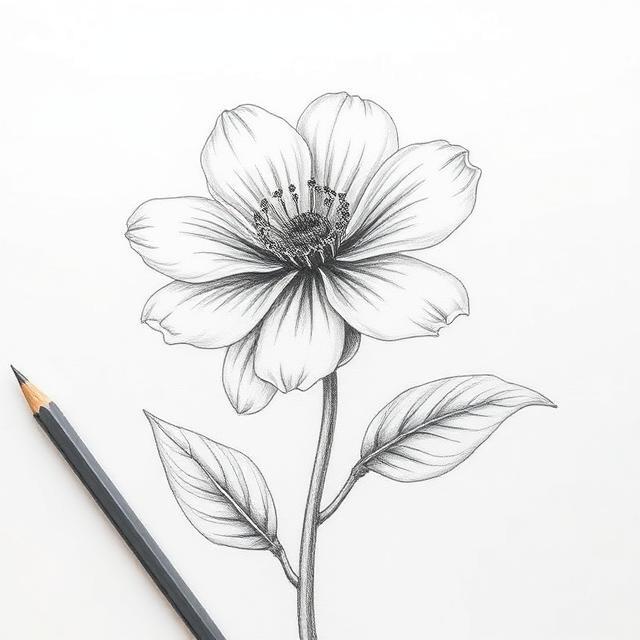
One of the biggest misconceptions about learning to draw is the belief that time alone is what makes someone good. Simply drawing for years does not guarantee improvement. Someone who sketches casually without challenging themselves may draw for ten years and still struggle with the same issues, while another person who practices intentionally for one or two years can surpass them. Quality of practice matters more than quantity, though both are important. Focused practice that includes observation, repetition, feedback, and reflection accelerates improvement far more than mindless repetition. This is why art students in structured programs often improve dramatically in a short time: they are guided toward effective practice, not just encouraged to draw more.
Consistency is another crucial factor in how long it takes to get good at drawing. Drawing for hours once a week is far less effective than drawing a little every day. Daily practice keeps your observational skills sharp and helps your brain and hand develop muscle memory together. Even short sessions accumulate over time, and the habit itself becomes more important than the length of any single session. Many artists who reach a strong intermediate level within two to three years did not draw obsessively every day but maintained steady, realistic routines they could sustain long term.
The role of mindset cannot be overstated. People who believe they are “bad at drawing” or not naturally talented often quit before meaningful improvement happens. In contrast, those who view drawing as a skill rather than a talent are more likely to persist through frustration. Every artist, no matter how skilled, produces bad drawings regularly. The difference is that experienced artists expect this and use it as information rather than evidence of failure. If you measure your progress by how perfect your drawings look instead of how much you are learning, the journey will feel much longer and more painful than it needs to be.
Another factor that affects how long it takes to get good at drawing is what you choose to focus on. Someone who wants to draw expressive cartoons will have a very different learning path than someone aiming for realistic portraits or architectural sketches. Specializing can dramatically shorten the time it takes to feel competent, because you are not trying to master everything at once. Learning foundational skills is important, but applying them directly to your interests keeps motivation high and progress visible. Many artists feel “good” at drawing in their chosen niche within one to three years, even if they are still beginners in other areas.
It is also important to understand that “getting good” is not a finish line you cross once. Drawing skill grows in layers. You might reach a point where you are satisfied with your work, only to later realize new weaknesses as your eye becomes more trained. This cycle can be discouraging if you expect improvement to be linear, but it is actually a sign of growth. Each time your standards rise, you are seeing more clearly, and that clarity pushes you toward the next level of skill. Artists who accept this cycle tend to stay motivated longer and enjoy the process more.
For most people who practice consistently and thoughtfully, noticeable improvement happens within the first three to six months, solid intermediate skills often develop within one to three years, and advanced or professional-level skill can take five years or more. These are not rigid milestones but rough patterns observed across many artists. Some progress faster, some slower, and both are normal. Life circumstances, available time, access to learning resources, and personal goals all influence the timeline.
Ultimately, the question of how long it takes to get good at drawing matters less than whether you are willing to keep going when progress feels slow. Drawing is a long-term skill that rewards patience and curiosity. If you focus on building a sustainable practice, learning from your mistakes, and enjoying the act of drawing itself, you will get good faster than you expect, even if it never feels fast in the moment. The truth is that the artists you admire did not become good because they knew how long it would take; they became good because they kept drawing when they didn’t.