
Why Finishing Art Matters More Than Making It Perfect
Why finishing art matters more than making it perfect is something most artists only understand after years of frustration. Early on, perfection feels like the goal. Every line should be clean, every proportion correct, every idea fully realized before the drawing is allowed to exist. The problem is that perfection is vague, constantly moving, and usually defined by comparison rather than growth. When perfection becomes the standard, finishing becomes optional, and unfinished work piles up while progress slows to a crawl.
Unfinished art feels safe. As long as a piece isn’t complete, it can’t fully fail. It lives in a permanent state of potential, where it might someday become great. Finishing removes that protection. A finished drawing is exposed. It can be judged, critiqued, or simply ignored. Because of that, many artists subconsciously avoid finishing their work, telling themselves they’re “still fixing things” or “waiting until it’s good enough.” In reality, they’re waiting for a moment that never comes.
Perfectionism disguises itself as high standards, but it often functions as fear. Fear of being seen, fear of wasting effort, fear of discovering the limits of your current skill. When you chase perfection, you aren’t actually improving your drawing ability; you’re refining your ability to hesitate. Each time you restart a piece instead of finishing it, you reinforce the habit of stopping when things get uncomfortable. Art improvement, however, lives exactly in that uncomfortable stage.
Finishing art forces you to confront problems instead of avoiding them. When a drawing looks bad halfway through, it’s tempting to quit and start something new. But the skill you need most isn’t starting strong drawings—it’s fixing weak ones. Finishing teaches you how to make decisions, how to simplify when things get messy, and how to move forward even when the result isn’t ideal. These problem-solving skills cannot be learned from sketches alone; they only appear when a piece demands closure.
A finished piece gives you feedback that perfection never will. You can look at a completed drawing and clearly see what worked and what didn’t. You might notice stiff poses, awkward lighting, or unclear focal points. That clarity is valuable. An unfinished drawing only tells you that something feels wrong, not what specifically needs improvement. Finishing turns vague dissatisfaction into actionable insight, which is the foundation of real progress.
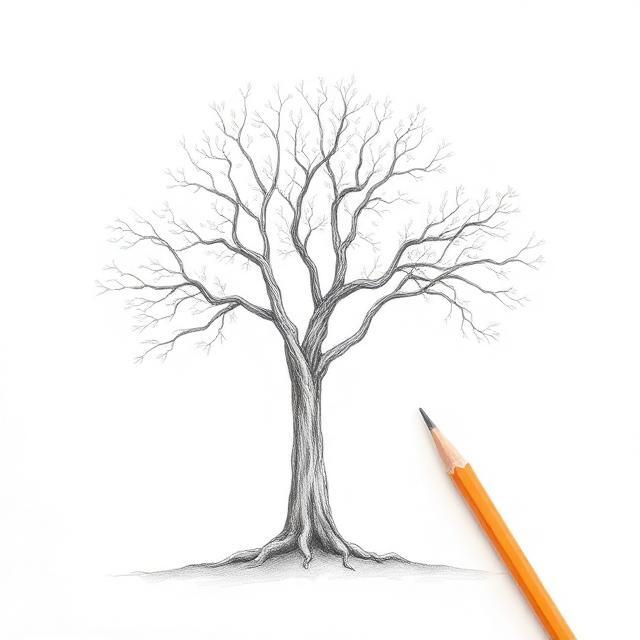
There is also a hidden cost to chasing perfection: it slows your learning dramatically. Improvement in drawing comes from volume as much as intention. Each finished piece is a full cycle of learning—from idea to execution to reflection. When you spend weeks polishing one drawing, you experience that cycle far less often than someone who finishes many imperfect pieces. Ten flawed finished drawings will teach you more than one endlessly tweaked sketch.
Finished art builds confidence in a way perfection never can. Confidence doesn’t come from flawless results; it comes from proof that you can complete things. Each finished piece, even one you dislike, strengthens your trust in yourself as an artist. You begin to believe that you can handle mistakes, push through doubt, and reach the end of a process. That belief matters far more than technical accuracy, especially in the long run.
Many artists worry that finishing imperfect work will “lock in bad habits.” In reality, the opposite is true. Avoiding completion locks habits in place because nothing challenges them. When you finish, you see your habits clearly. You recognize patterns in your mistakes. That awareness is what allows you to change. Improvement requires exposure, not concealment.
There’s also a creative cost to perfectionism. When every piece must be perfect, experimentation becomes dangerous. You avoid bold ideas, unusual compositions, or expressive lines because they might fail. Finishing art encourages risk. It allows you to try things, commit to them, and see where they lead. Some finished pieces will miss the mark, but others will surprise you in ways perfectionism never could.
From a practical perspective, finished art creates momentum. Momentum is what keeps artists drawing consistently. When you finish something, your brain registers closure and accomplishment, making it easier to start the next piece. Unfinished work does the opposite. It lingers in the background, creating mental clutter and guilt that drains motivation. Finishing clears space—for new ideas, new skills, and renewed excitement.
It’s important to understand that finishing does not mean rushing or abandoning care. It means accepting that a piece can be complete without being flawless. It means choosing learning over control. Professional artists finish work constantly, not because they’re satisfied with everything they make, but because deadlines, growth, and clarity demand it. They know that perfection is not a requirement for value.
Over time, finishing changes how you define success. Instead of asking whether a drawing is good enough, you start asking whether it taught you something. That shift is powerful. It reframes mistakes as information rather than failure. It turns art from a performance into a practice. When learning becomes the goal, perfection loses its grip.
Ultimately, finishing art matters more than making it perfect because finishing is how artists grow. It’s how skills develop, confidence builds, and creative voices emerge. Perfection is static and imaginary; completion is real and transformative. Every finished piece, no matter how imperfect, is a step forward. And in art, forward motion will always matter more than standing still, polishing a drawing that never gets the chance to exist.